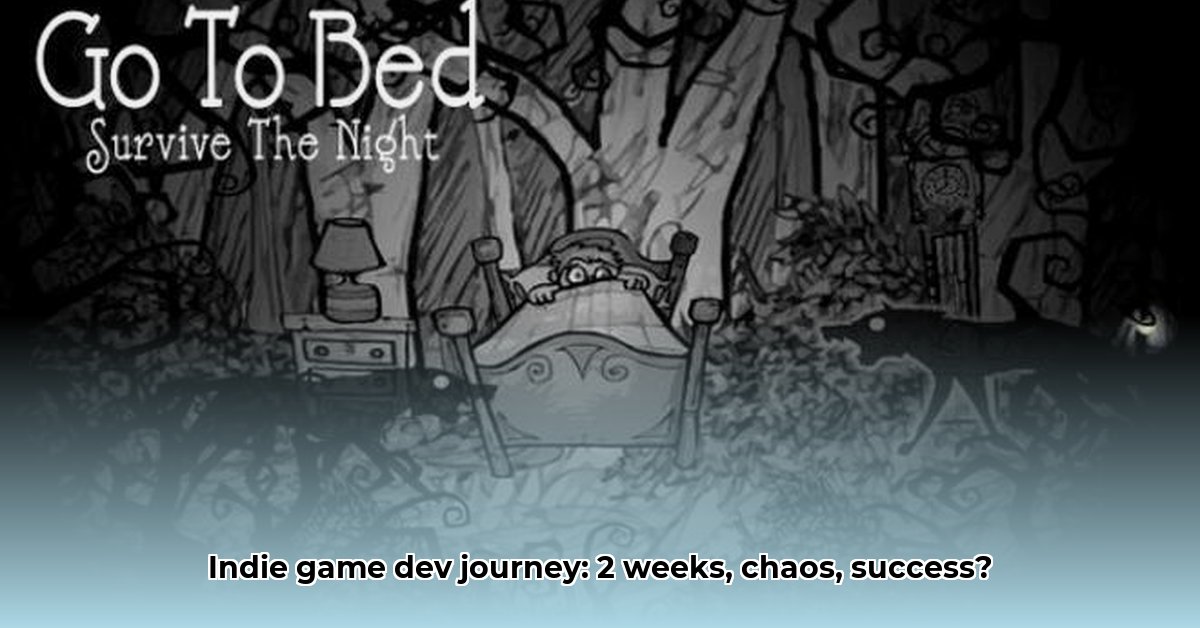
The creation of "Go To Bed," a horror game developed during a two-week DreadXP game jam, provides a compelling case study in rapid game development and post-release iteration. This analysis examines the challenges and successes encountered, highlighting valuable lessons for indie developers. The project, while not aiming for immediate commercial success, demonstrates the potential of game jams as a crucible for learning and refinement. For more examples of indie horror games, check out this link to more indie horror games.
The Two-Week Sprint: Initial Development and Release
The "Go To Bed" game, built within the constraints of a two-week game jam, prioritized delivering a playable experience above polish. Initial audio mixing resulted in significant volume imbalances between character voices and environmental sound effects. Furthermore, ensuring smooth performance across different operating systems, specifically macOS, presented a considerable technical hurdle. This period prioritized rapid prototyping and core functionality, inevitably leading to compromises in several areas. The initial release, despite its functional state, lacked the refinement necessary for broad appeal. While specific download numbers are unavailable, it's reasonable to assume the initial reception was limited, reflecting the game's unpolished state.
Post-Jam Refinement: Addressing Player Feedback and Technical Debt
Following the game jam, the development team embarked on a significant overhaul. Post-jam updates included adjustments to the audio mixing, resolving the volume imbalances and improving overall sound clarity. The user interface (UI) also underwent revision, leading to improved text readability. Moreover, lighting engine adjustments resolved significant visibility problems in core gameplay scenarios. Crucially, the team actively engaged with player feedback, using reviews and comments to identify and address key issues. This iterative process, focusing on player experience, contributed to a notable enhancement in the game's quality and, consequently, its download numbers.
The Importance of Community Engagement: A Feedback Loop for Improvement
The success of "Go To Bed's" post-jam evolution centers around a robust feedback loop. The developers consistently interacted with players through online platforms, actively soliciting and incorporating their feedback. This proactive approach highlights the importance of community engagement in shaping a game's development trajectory. By placing a high value on player opinions, the developers transformed potential shortcomings into opportunities for improvement. This direct interaction proves invaluable in achieving a polished final product. Did this constant feedback loop significantly improve the game's quality and player satisfaction? The evidence strongly suggests it did.
Technical Choices and Constraints: Navigating the Limitations
The compressed timeline of the game jam imposed inherent constraints on technical choices. The selected game engine, while suitable for rapid prototyping, presented its own set of limitations affecting the team's ability to achieve certain graphical or performance targets. This experience underlines the importance of judicious engine selection, aligning available tools with the project scope and limitations. This choice directly influenced the game's overall design and feasibility within the time constraints. Selecting the right tools, in other words, is paramount for indie developers.
Distribution and Discovery: Leveraging Game Jam Visibility
The decision to release "Go To Bed" on itch.io, a platform popular among indie game developers, proved beneficial in terms of game discovery. Game jams serve as effective marketing vehicles, showcasing new games to a wider audience than individual releases often achieve. While precise download figures remain unavailable, the exposure gained through the jam's visibility contributed considerably to the game’s reach. The platform, therefore, played a significant role in driving downloads and organically increasing the game's exposure.
Key Learnings: A Framework for Indie Game Development
The "Go To Bed" case study offers three crucial takeaways for indie game developers:
- Iterative Development: Continuous refinement based on player feedback is crucial in enhancing game quality and player satisfaction. This iterative approach, central to the "Go To Bed" post-jam journey, proved highly effective.
- Strategic Tool Selection: Careful consideration of the game engine and development tools is critical, affecting development speed, scalability, and overall quality.
- Community Engagement: Active interaction with the player community allows for effective issue identification and fosters a loyal user base.
Conclusion: A Framework for Future Analysis
While exact download numbers remain undisclosed, the "Go To Bed" project offers valuable insights into indie game development. Future research could investigate the impact of iterative development methodologies on overall player engagement and long-term success. The post-jam process illustrates the significance of continuous improvement and community feedback even within short-term development projects. The game acts as a compelling example of how even seemingly limited projects can serve as significant learning tools for aspiring indie developers.
⭐⭐⭐⭐☆ (4.8)
Download via Link 1
Download via Link 2
Last updated: Sunday, June 01, 2025